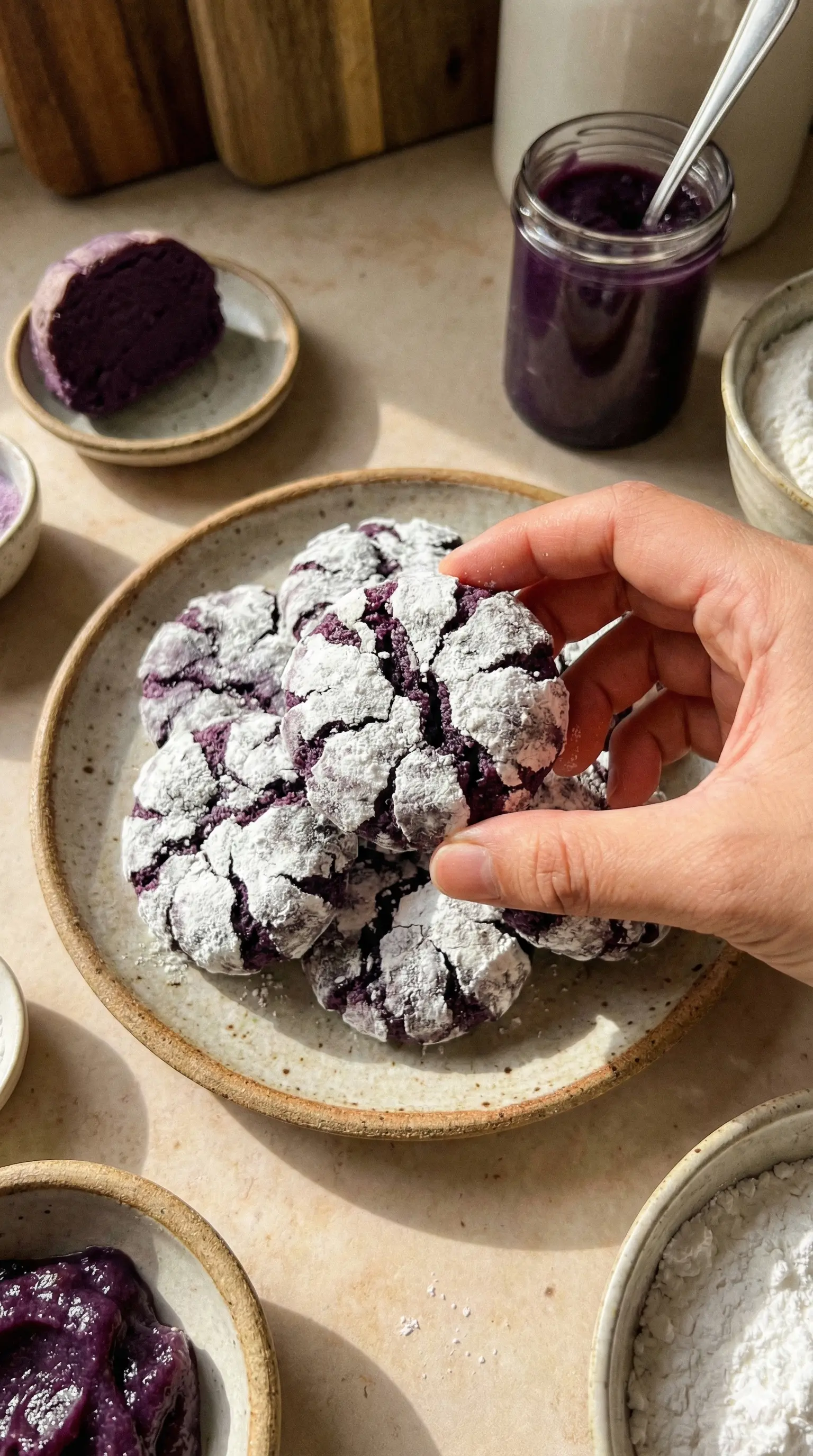
You see it everywhere now: vivid purple drinks and desserts. But what exactly is ube? Discover everything about this popular purple yam from the Philippines.
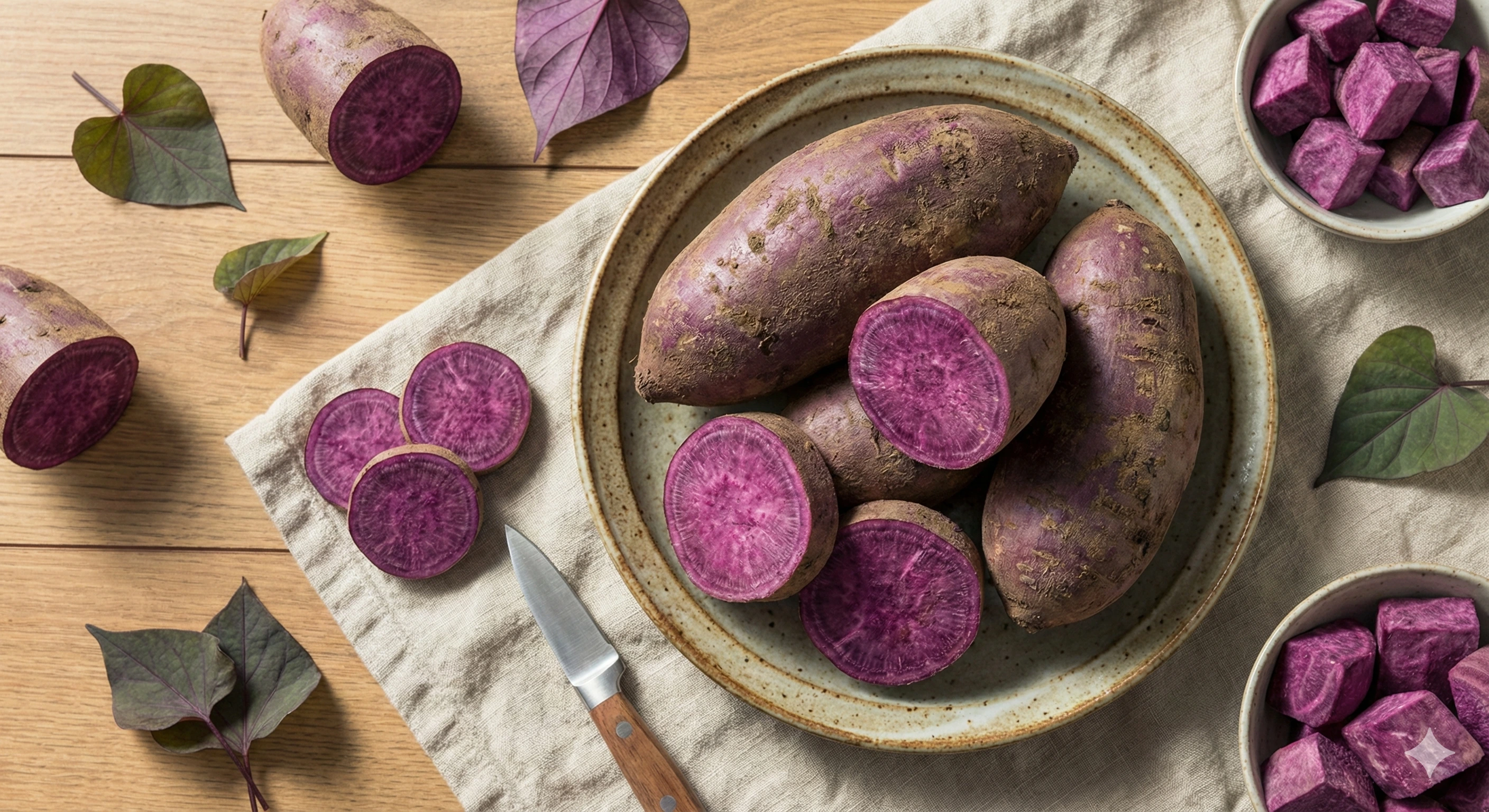
Ube (pronounced oo-beh) is a purple yam, officially known as Dioscorea alata. It is a tuber originally from the Philippines. The outside can look like a rough brown sweet potato, but when you cut it open you reveal a vivid deep-purple interior.
In the Philippines, ube has been used for generations, mainly in desserts. The most traditional form is ube halaya, a rich sweet jam made from cooked and mashed ube mixed with condensed milk and butter. Today it is a global favorite because of its natural color and distinctive taste.
Ube is difficult to compare directly with anything else, but it is often described as soft, sweet, and creamy. It has a subtle nutty profile with hints of:
Unlike regular potatoes, ube is far less earthy. That soft dessert-like flavor profile makes it a perfect base for lattes, ice cream, and pastries.
This is one of the most common questions. The short answer is: No, ube and taro are not the same.
Although both are used in Asian desserts and drinks like bubble tea, they are completely different plants:
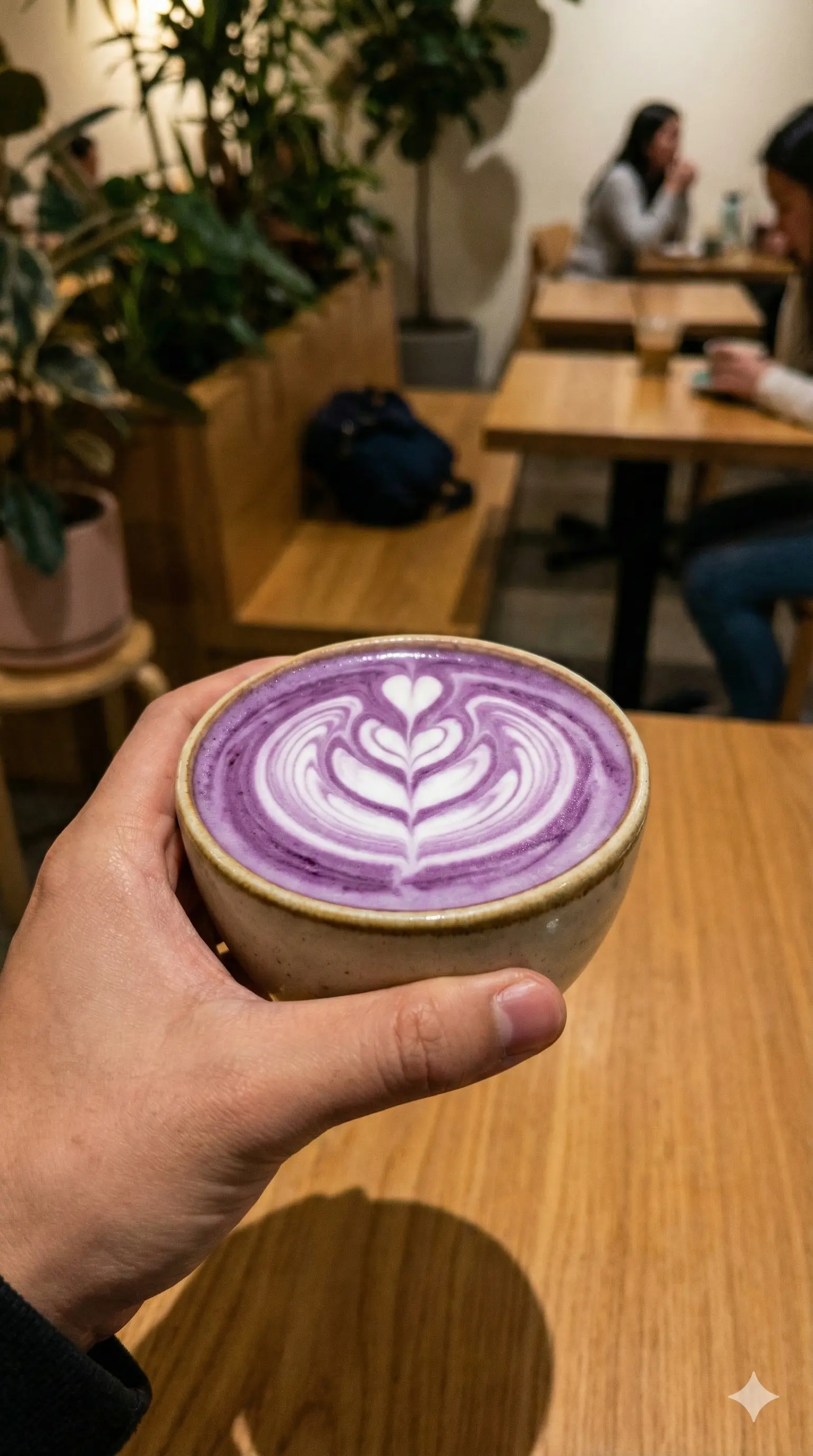
The most popular modern use. A creamy caffeine-free drink that works beautifully both hot and iced.
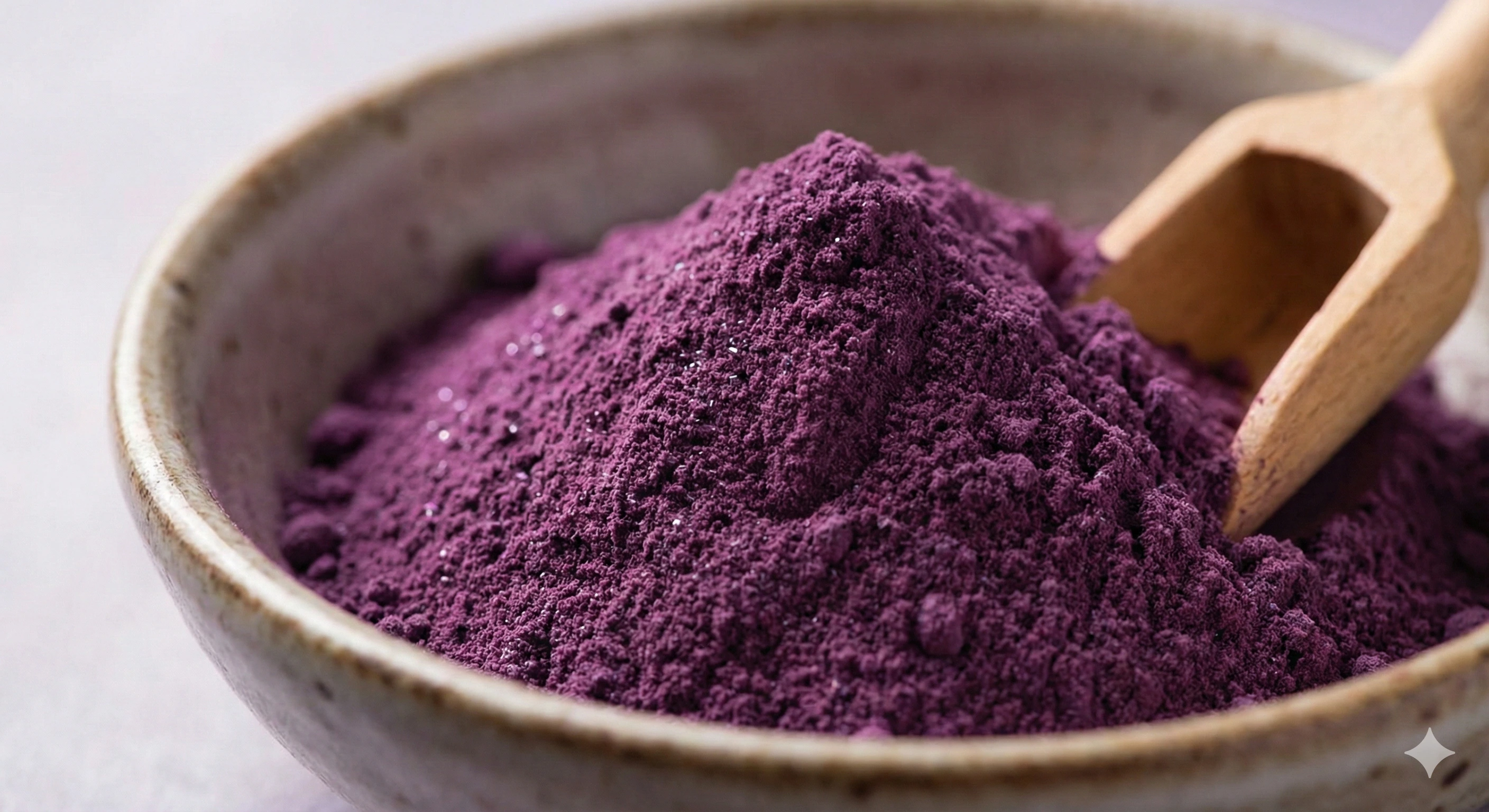
VIEW RECIPEFrom ube crinkles to cheesecakes and pancakes, ube powder gives baked goods a beautiful color and a gentle flavor.
BAKING TIPSAdd a scoop of ube powder to overnight oats, yogurt, or a smoothie bowl for a colorful, nourishing start to the day.
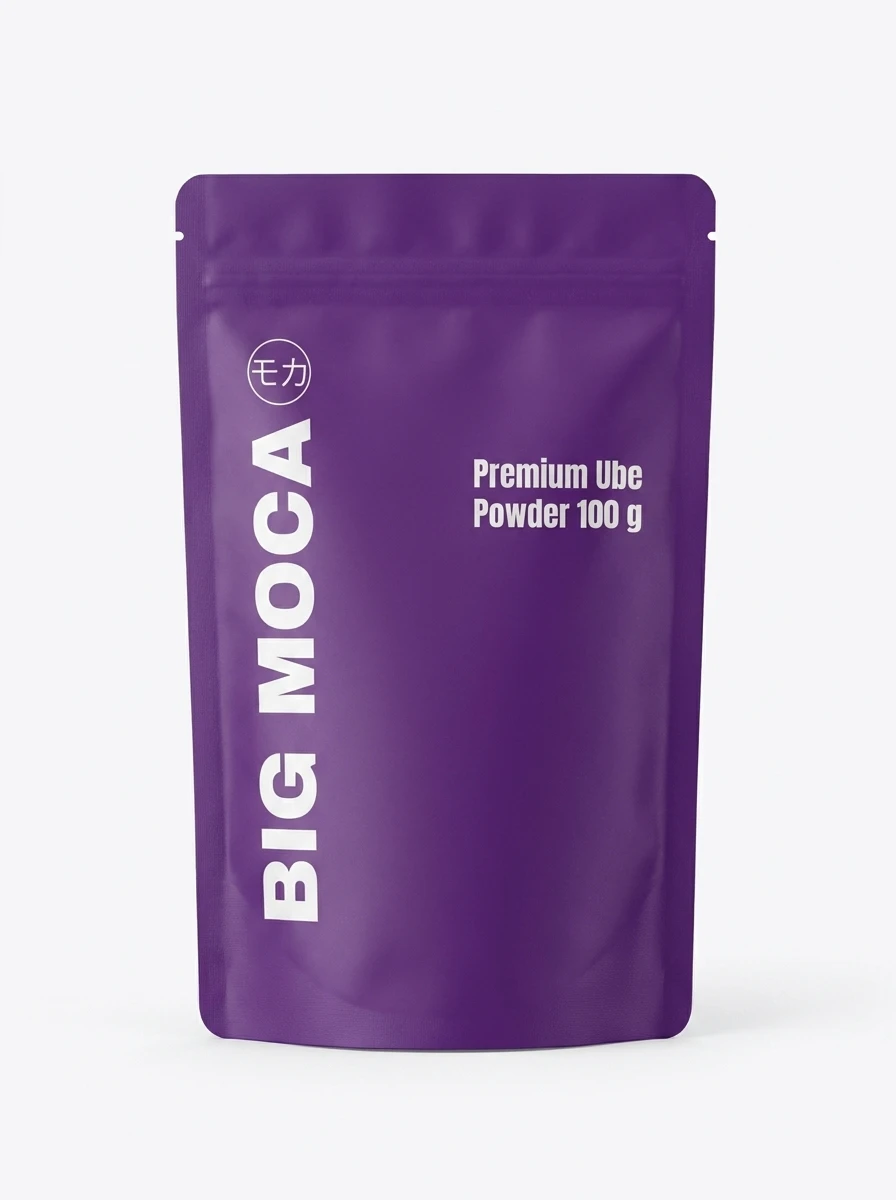
VIEW UBE POWDERExperience the authentic taste of the Philippines. Our 100% pure ube powder is barista-grade and perfect for your own creations.
Sourcing for a cafe group, bakery, or manufacturer? See our ube powder supplier page for Europe for samples, MOQ guidance, and bulk supply options.
Buy ube powder